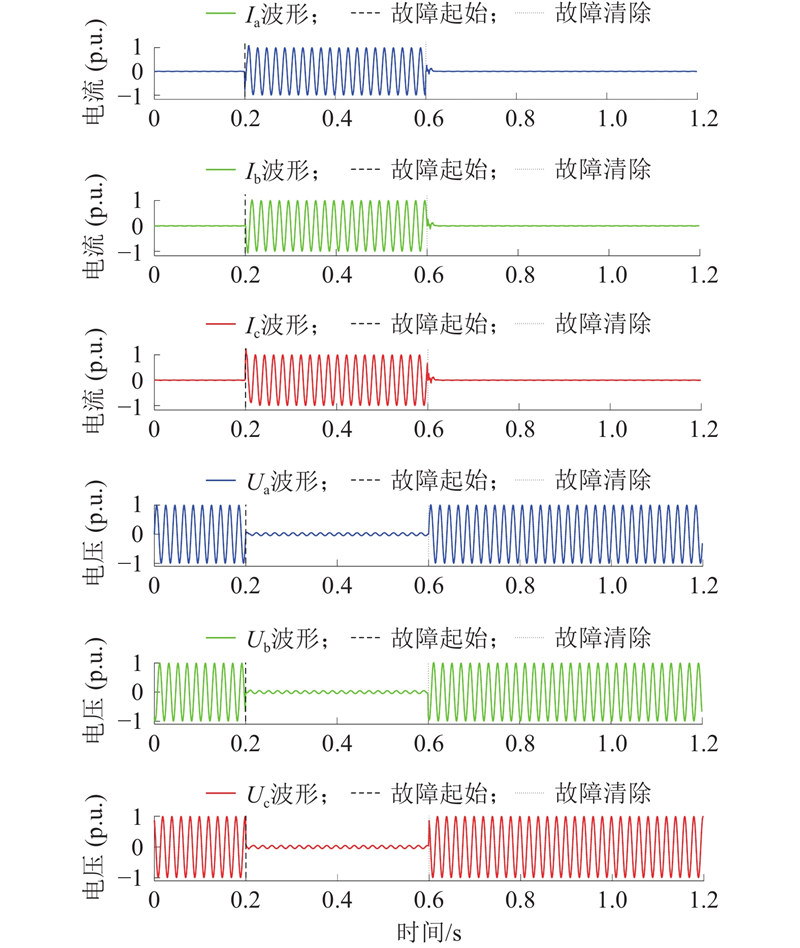
| 1 |
张智刚, 康重庆. 碳中和目标下构建新型电力系统的挑战与展望[J]. 中国电机工程学报, 2022, 42 (8): 2806- 2819.
|
|
ZHANG Zhigang, KANG Chongqing. Challenges and prospects of constructing a new power system under the carbon neutrality goal[J]. Proceedings of the CSEE, 2022, 42 (8): 2806- 2819.
|
| 2 |
谢小荣, 贺静波, 毛航银, 等. “双高”电力系统稳定性的新问题及分类探讨[J]. 中国电机工程学报, 2021, 41 (2): 461- 475.
|
|
XIE Xiaorong, HE Jingbo, MAO Hangyin, et al. New issues and classification discussion on stability of "double high" power systems[J]. Proceedings of the CSEE, 2021, 41 (2): 461- 475.
|
| 3 |
樊丽娟, 黄河, 梅勇, 等. 适应新型电力系统发展的电力电子电源并网安全管理模式研究[J]. 南方电网技术, 2025, 19 (12): 55- 62.
|
|
FAN Lijuan, HUANG He, MEI Yong, et al. Research on grid integration safety management mode of power electronics-based resources for new power systems[J]. Southern Power System Technology, 2025, 19 (12): 55- 62.
|
| 4 |
董武, 张健, 周勤勇, 等. 中国电力系统安全稳定性演化综述[J]. 中国电力, 2025, 58 (1): 115- 127.
|
|
DONG Wu, ZHANG Jian, ZHOU Qinyong, et al. An overview of the evolution of security and stability of China's power system[J]. Electric Power, 2025, 58 (1): 115- 127.
|
| 5 |
宋福海, 翟博龙, 黄翔宇, 等. 面向智能变电站模型应用的二次设备建模优化[J]. 电力自动化设备, 2022, 42 (11): 218- 224.
|
|
SONG Fuhai, ZHAI Bolong, HUANG Xiangyu, et al. Modeling optimization of secondary equipment for intelligent substation model application[J]. Electric Power Automation Equipment, 2022, 42 (11): 218- 224.
|
| 6 |
宋禹飞, 刘润鹏, 王宏, 等. 新型电力系统标准体系架构设计及需求分析[J]. 南方电网技术, 2024, 18 (9): 88- 96.
|
|
SONG Yufei, LIU Runpeng, WANG Hong, et al. Design and requirement analysis of new power system standard architecture[J]. Southern Power System Technology, 2024, 18 (9): 88- 96.
|
| 7 |
南东亮, 王维庆, 张陵, 等. 基于关联规则挖掘与组合赋权-云模型的电网二次设备运行状态风险评估[J]. 电力系统保护与控制, 2021, 49 (10): 67- 76.
|
|
NAN Dongliang, WANG Weiqing, ZHANG Ling, et al. Risk assessment of power grid secondary equipment operation state based on association rule mining and combination weighting-cloud model[J]. Power System Protection and Control, 2021, 49 (10): 67- 76.
|
| 8 |
彭明智, 许尧, 胡永波, 等. 基于人工智能技术的变电站二次设备智能巡检技术[J]. 高电压技术, 2023, 49 (S1): 90- 96.
|
|
PENG Mingzhi, XU Yao, HU Yongbo, et al. Intelligent inspection technology for substation secondary equipment based on artificial intelligence[J]. High Voltage Engineering, 2023, 49 (S1): 90- 96.
|
| 9 |
何伊慧, 管霖, 王彤, 等. 南方电网新型电力系统规划建设的量化评估与分析[J]. 南方电网技术, 2024, 18 (10): 40- 53.
|
|
HE Yihui, GUAN Lin, WANG Tong, et al. Quantitative evaluation and analysis of planning and construction of the new power system in China Southern Power Grid[J]. Southern Power System Technology, 2024, 18 (10): 40- 53.
|
| 10 |
樊陈, 姚志强, 常乃超, 等. 智能变电站二次设备集成整合新方案[J]. 电网技术, 2025, 49 (2): 798- 806.
|
|
FAN Chen, YAO Zhiqiang, CHANG Naichao, et al. A new scheme for integration of secondary equipment in intelligent substation[J]. Power System Technology, 2025, 49 (2): 798- 806.
|
| 11 |
曹海欧, 俞力珉, 张林, 等. 基于同源录波数据的智能变电站主设备保护采样回路异常预警方法[J]. 南京信息工程大学学报, 2025, 17 (2): 282- 292.
|
|
CAO Haiou, YU Limin, ZHANG Lin, et al. Early warning of abnormalities in host device protection sampling loops of smart substation based on homologous waveform recording data[J]. Journal of Nanjing University of Information Science & Technology, 2025, 17 (2): 282- 292.
|
| 12 |
吕航, 李力. 变电站同步信号异常对保护装置影响及对策[J]. 电力系统自动化, 2012, 36 (19): 89- 93.
|
|
LYU Hang, LI Li. Influence of substation synchronization signal abnormality on protection devices and countermeasures[J]. Automation of Electric Power Systems, 2012, 36 (19): 89- 93.
|
| 13 |
朱何荣, 方佳维, 陈桂友, 等. 智能变电站同步系统对测量设备的影响及其处理策略[J]. 电气工程学报, 2020, 15 (3): 143- 149.
|
|
ZHU Herong, FANG Jiawei, CHEN Guiyou, et al. Influence of intelligent substation synchronization system on measuring equipment and its processing strategy[J]. Journal of Electrical Engineering, 2020, 15 (3): 143- 149.
|
| 14 |
卢正飞, 蒋焘, 黄福全, 等. 含分布式新能源高压电网的新型线路保护方案[J]. 南方电网技术, 2024, 18 (12): 87- 95.
|
|
LU Zhengfei, JIANG Tao, HUANG Fuquan, et al. A new line protection scheme for high voltage grids with distributed new energy sources[J]. Southern Power System Technology, 2024, 18 (12): 87- 95.
|
| 15 |
吴宇奇, 叶雨晴, 马啸, 等. 兼具抗同步误差和耐高阻能力的直流配电网单极接地故障测距方法[J]. 电力自动化设备, 2022, 42 (5): 167- 174.
|
|
WU Yuqi, YE Yuqing, MA Xiao, et al. Single-pole grounding fault location method for DC distribution network with anti-synchronization error and high resistance tolerance[J]. Electric Power Automation Equipment, 2022, 42 (5): 167- 174.
|
| 16 |
陈志刚, 熊慕文, 刘东超, 等. 智能变电站时间同步与时间同步监测集成装置的研制及应用[J]. 电力自动化设备, 2021, 41 (2): 213- 217, 224.
|
|
CHEN Zhigang, XIONG Muwen, LIU Dongchao, et al. Development and application of integrated device for time synchronization and time synchronization monitoring in intelligent substation[J]. Electric Power Automation Equipment, 2021, 41 (2): 213- 217, 224.
|
| 17 |
向珉江, 袁通, 苏善诚, 等. 基于5G授时的配网差动保护数据同步方案[J]. 电力系统保护与控制, 2021, 49 (8): 8- 15.
|
|
XIANG Minjiang, YUAN Tong, SU Shancheng, et al. Data synchronization scheme for distribution network differential protection based on 5G timing[J]. Power System Protection and Control, 2021, 49 (8): 8- 15.
|
| 18 |
赵忠明, 韩亮, 胡炯, 等. 电力系统SDH网络非对称路径PTP对时策略[J]. 电力系统保护与控制, 2021, 49 (9): 150- 157.
|
|
ZHAO Zhongming, HAN Liang, HU Jiong, et al. PTP time synchronization strategy for asymmetric paths in power system SDH network[J]. Power System Protection and Control, 2021, 49 (9): 150- 157.
|
| 19 |
CROSSLEY P A, GUO H, MA Z. Time synchronization for transmission substations using GPS and IEEE 1588[J]. CSEE Journal of Power and Energy Systems, 2016, 2 (3): 91- 99.
|
| 20 |
钱一名, 刘志凯, 王冬, 等. 核电厂数字化仪控系统网络时标对时系统设计[J]. 核电子学与探测技术, 2023, 43 (1): 135- 140.
|
|
QIAN Yiming, LIU Zhikai, WANG Dong, et al. Design of network time scale synchronization system for nuclear power plant digital instrumentation and control system[J]. Nuclear Electronics & Detection Technology, 2023, 43 (1): 135- 140.
|
| 21 |
李辉, 李振海, 唐金锐, 等. 基于PTP报文的智能变电站IEEE1588交换机测试技术研究[J]. 智慧电力, 2022, 50 (5): 106- 112.
|
|
LI Hui, LI Zhenhai, TANG Jinrui, et al. Research on IEEE1588 switch test technology for intelligent substation based on PTP message[J]. Smart Power, 2022, 50 (5): 106- 112.
|
| 22 |
夏之瑜. 面向新型电力系统的时钟同步优化研究[D]. 广州: 华南理工大学, 2024.
|
|
XIA Zhiyu. Research on clock synchronization optimization for new power system [D]. Guangzhou: South China University of Technology, 2024.
|
| 23 |
戴志辉, 张富泽, 韩笑. 基于同源录波数据比对的继电保护采样回路异常检测方法[J]. 电力系统保护与控制, 2025, 53 (1): 147- 159.
|
|
DAI Zhihui, ZHANG Fuze, HAN Xiao. Abnormal detection method for relay protection sampling circuit based on homologous recorded data comparison[J]. Power System Protection and Control, 2025, 53 (1): 147- 159.
|
| 24 |
刘祥波, 王森, 高芳, 等. 基于幅值和斜率变化的配电线路故障录波数据同步方法研究[J]. 供用电, 2024, 41 (4): 19- 27.
|
|
LIU Xiangbo, WANG Sen, GAO Fang, et al. Research on synchronization method of distribution line fault recording data based on amplitude and slope changes[J]. Distribution & Utilization, 2024, 41 (4): 19- 27.
|
| 25 |
田宝江, 李岩, 廖晓玉, 等. 基于小波变换检测信号奇异性的多厂站信息同步方案[J]. 中国电力, 2024, 57 (12): 188- 197.
|
|
TIAN Baojiang, LI Yan, LIAO Xiaoyu, et al. Multi-plant information synchronization scheme based on wavelet transform for signal singularity detection[J]. Electric Power, 2024, 57 (12): 188- 197.
|
| 26 |
李晔, 贾娜, 何佳伟, 等. 基于Hankel矩阵奇异值分解的多厂站信息同步方案[J]. 电力建设, 2025, 46 (4): 58- 70.
|
|
LI Ye, JIA Na, HE Jiawei, et al. Multi-plant information synchronization scheme based on Hankel matrix singular value decomposition[J]. Electric Power Construction, 2025, 46 (4): 58- 70.
|
| 27 |
黄树帮, 叶留金, 袁宇波, 等. 电网继电保护及故障信息处理主站系统的设计和实现[J]. 电力系统自动化, 2004 (16): 88- 92.
|
|
HUANG Shubang, YE Liujin, YUAN Yubo, et al. Design and implementation of master station system for power grid relay protection and fault information processing[J]. Automation of Electric Power Systems, 2004 (16): 88- 92.
|
| 28 |
章坚民, 朱炳铨, 赵舫, 等. 基于IEC 61850的变电站子站系统建模与实现[J]. 电力系统自动化, 2004 (21): 43- 48.
|
|
ZHANG Jianmin, ZHU Bingquan, ZHAO Fang, et al. Modeling and implementation of substation slave station system based on IEC 61850[J]. Automation of Electric Power Systems, 2004 (21): 43- 48.
|
| 29 |
余志文, 李世明, 卢建刚, 等. 基于时间延迟技术的电力调度数据对齐方法[J]. 广东电力, 2023, 36 (3): 49- 56.
|
|
YU Zhiwen, LI Shiming, LU Jiangang, et al. A power dispatching data alignment method based on time delay technology[J]. Guangdong Electric Power, 2023, 36 (3): 49- 56.
|
| 30 |
FANG Z, GAO Y. Delay compensated one-way time synchronization in distributed wireless sensor networks[J]. IEEE Wireless Communications Letters, 2022, 11 (10): 2021- 2025.
|
| 31 |
邹时容, 陆慧, 洪梓铭, 等. 基于动态时间序列电压相关性分析的低压配电网拓扑校核[J]. 广东电力, 2020, 33 (5): 52- 59.
|
|
ZOU Shirong, LU Hui, HONG Ziming, et al. Low-voltage distribution network topology verification based on dynamic time-series voltage correlation analysis[J]. Guangdong Electric Power, 2020, 33 (5): 52- 59.
|
| 32 |
GIORGI G, NARDUZZI C. Performance analysis of kalman-filter-based clock synchronization in IEEE 1588 networks[J]. IEEE Transactions on Instrumentation and Measurement, 2011, 60 (8): 2902- 2909.
|
| 33 |
刘朋矩, 刘希, 丁添, 等. 基于改进卡尔曼滤波的配电系统多时钟源时间同步方法[J]. 华北电力大学学报(自然科学版), 2025, 52 (4): 53- 61.
|
|
LIU Pengju, LIU Xi, DING Tian, et al. Multi-clock source time synchronization method for distribution system based on improved Kalman filter[J]. Journal of North China Electric Power University (Natural Science Edition), 2025, 52 (4): 53- 61.
|
| 34 |
徐顾钰, 李岩松, 胡杰祥, 等. 基于RBF-PID的互感器校验主从时钟误差修正算法[J]. 电子测量与仪器学报, 2023, 37 (11): 152- 160.
|
|
XU Guyu, LI Yansong, HU Jiexiang, et al. Master-slave clock error correction algorithm of transformer verification based on RBF-PID[J]. Journal of Electronic Measurement and Instrumentation, 2023, 37 (11): 152- 160.
|
| 35 |
陈远, 黄林超, 刘丽斌, 等. 改进卡尔曼滤波及其在电力时钟同步系统中的应用[J]. 电力科学与技术学报, 2023, 38 (2): 232- 239.
|
|
CHEN Yuan, HUANG Linchao, LIU Libin, et al. Improved Kalman filter and its application in power clock synchronization system[J]. Journal of Electric Power Science and Technology, 2023, 38 (2): 232- 239.
|
| 36 |
高志远, 庄卫金, 李峰, 等. 调控领域人工智能应用的高复用性验证平台[J]. 中国电力, 2025, 58 (3): 142- 150.
|
|
GAO Zhiyuan, ZHUANG Weijin, LI Feng, et al. High reusability verification platform for artificial intelligence applications in power grid dispatching and control field[J]. Electric Power, 2025, 58 (3): 142- 150.
|