| 1 |
陈彬, 廖锦霖. 极端天气下多灾害地区配电网防灾能力提升技术综述及展望[J]. 电力建设, 2025, 46 (1): 107- 121.
|
|
CHEN Bin, LIAO Jinlin. Technology for improving distribution network disaster-prevention capabilities for intercurrent natural disasters areas under extreme weather: review and prospect[J]. Electric Power Construction, 2025, 46 (1): 107- 121.
|
| 2 |
王峰渊, 王杰, 丁宇海, 等. 基于GIS的暴雨灾害电网脆弱性评估研究[J]. 科技通报, 2018, 34 (1): 79- 83.
|
|
WANG Fengyuan, WANG Jie, DING Yuhai, et al. Vulnerability assessment of power grid baesd on rainstorm hazards[J]. Bulletin of Science and Technology, 2018, 34 (1): 79- 83.
|
| 3 |
夏军, 陈进, 佘敦先, 等. 变化环境下中国现代水网建设的机遇与挑战[J]. 地理学报, 2023, 78 (7): 1608- 1617.
|
|
XIA Jun, CHEN Jin, SHE Dunxian, et al. Opportunities and challenges of national water network construction under changing environment[J]. Acta Geographica Sinica, 2023, 78 (7): 1608- 1617.
|
| 4 |
孙亮, 罗瑞, 鲁延鹏, 等. 冰灾下考虑灵活应急资源协同的综合能源系统优化运行[J]. 电力建设, 2025, 46 (3): 34- 47.
|
|
SUN Liang, LUO Rui, LU Yanpeng, et al. Optimal operation of integrated energy system considering flexible emergency resource coordination under ice disaster[J]. Electric Power Construction, 2025, 46 (3): 34- 47.
|
| 5 |
谢培坤, 李谅, 施元杰, 等. 考虑交通网影响的移动储能灾前-灾后优化调度[J]. 电力建设, 2025, 46 (5): 123- 135.
|
|
XIE Peikun, LI Liang, SHI Yuanjie, et al. Optimal pre-disaster and post-disaster scheduling of mobile energy storage considering the influence of transportation network[J]. Electric Power Construction, 2025, 46 (5): 123- 135.
|
| 6 |
吴梓凤, 袁家海, 张健, 等. 极端天气冲击下应急电力支援的跨区域容量机制[J]. 电力建设, 2025, 46 (1): 48- 57.
|
|
WU Zifeng, YUAN Jiahai, ZHANG Jian, et al. Cross-regional capacity mechanism for emergency power support in extreme weather events[J]. Electric Power Construction, 2025, 46 (1): 48- 57.
|
| 7 |
孙义豪, 李科, 许长清, 等. 低压配电台区移动储能系统优化调度方法[J]. 电力系统及其自动化学报, 2024, 36 (12): 37- 44.
|
|
SUN Yihao, LI Ke, XU Changqing, et al. Optimal scheduling method for mobile energy storage systems in low-voltage distribution transformer stations[J]. Proceedings of the CSU-EPSA, 2024, 36 (12): 37- 44.
|
| 8 |
KIM S, LEE J. Optimal scheduling strategy for distribution network with mobile energy storage system and offline control PVs to minimize the solar energy curtailment[J]. Energies, 2024, 17 (9): 2234.
|
| 9 |
刘俊琳, 朱振山, 温步瀛. 基于V2G潜力模糊评估与移动储能协调调度的灾后供电恢复策略[J]. 电力自动化设备, 2024, 44 (9): 89- 97.
|
|
LIU Junlin, ZHU Zhenshan, WEN Buying. Post-disaster power supply restoration strategy based on V2G potential fuzzy evaluation and mobile energy storage coordinated scheduling[J]. Electric Power Automation Equipment, 2024, 44 (9): 89- 97.
|
| 10 |
LIU X C, SOH C B, ZHAO T Y, et al. Stochastic scheduling of mobile energy storage in coupled distribution and transportation networks for conversion capacity enhancement[J]. IEEE Transactions on Smart Grid, 2021, 12 (1): 117- 130.
|
| 11 |
SUN X Z, QIU J, YI Y, et al. Cost-effective coordinated voltage control in active distribution networks with photovoltaics and mobile energy storage systems[J]. IEEE Transactions on Sustainable Energy, 2022, 13 (1): 501- 513.
|
| 12 |
李一璞, 周云, 冯冬涵, 等. 考虑移动储能动态路径引导的配电网协同恢复策略[J]. 电力自动化设备, 2025, 45 (5): 47- 55.
|
|
LI Yipu, ZHOU Yun, FENG Donghan, et al. Coordinated restoration strategy of distribution network considering dynamic path guidance of mobile energy storage[J]. Electric Power Automation Equipment, 2025, 45 (5): 47- 55.
|
| 13 |
刘春明, 李瑞月, 尹钰君, 等. 基于鲁棒随机模型预测控制的园区综合能源系统两阶段优化[J]. 电力自动化设备, 2022, 42 (5): 1- 7.
|
|
LIU Chunming, LI Ruiyue, YIN Yujun, et al. Two-stage optimization for community integrated energy system based on robust stochastic model predictive control[J]. Electric Power Automation Equipment, 2022, 42 (5): 1- 7.
|
| 14 |
任郡枝, 陈健, 姜心怡, 等. 考虑可移动式储能与网络重构的弹性配电网灾后恢复策略[J]. 电力建设, 2020, 41 (3): 86- 92.
|
|
REN Junzhi, CHEN Jian, JIANG Xinyi, et al. Post-disaster recovery strategy of resilient distribution network considering mobile energy storage system and network reconfiguration[J]. Electric Power Construction, 2020, 41 (3): 86- 92.
|
| 15 |
MORAIS H, SOUSA T, CASTRO R, et al. Multi-objective electric vehicles scheduling using elitist non-dominated sorting genetic algorithm[J]. Applied Sciences, 2020, 10 (22): 7978.
|
| 16 |
蔡胜, 谢云云, 张玉坪, 等. 考虑移动应急电源配置的微电网顺序恢复方法[J]. 中国电机工程学报, 2023, 43 (7): 2677- 2689.
|
|
CAI Sheng, XIE Yunyun, ZHANG Yuping, et al. A sequential service restoration method for microgrids considering optimal allocation of mobile emergency generators[J]. Proceedings of the CSEE, 2023, 43 (7): 2677- 2689.
|
| 17 |
陈韵含, 许寅, 王颖, 等. 考虑潜在恢复需求的城市配电网移动应急资源灾前布点[J]. 电力系统自动化, 2023, 47 (14): 105- 113.
|
|
CHEN Yunhan, XU Yin, WANG Ying, et al. Pre-disaster positioning of mobile emergency resources for urban distribution network considering potential restoration demand[J]. Automation of Electric Power Systems, 2023, 47 (14): 105- 113.
|
| 18 |
LI Z P, TANG W H, LIAN X L, et al. A resilience-oriented two-stage recovery method for power distribution system considering transportation network[J]. International Journal of Electrical Power & Energy Systems, 2022, 135, 107497.
|
| 19 |
高志海, 沈美燕, 马龙义, 等. 考虑交通网络不确定性及SESS与MESS空间配合的分布式储能防灾应急规划[J]. 电力自动化设备, 2024, 44 (7): 54- 61.
|
|
GAO Zhihai, SHEN Meiyan, MA Longyi, et al. Distributed energy storage planning for disaster prevention and emergency considering transportation network uncertainty and SESS-MESS spatial coordination[J]. Electric Power Automation Equipment, 2024, 44 (7): 54- 61.
|
| 20 |
李琳. 基于台风模拟的配电网薄弱环节辨识与风险管控技术研究[D]. 天津: 天津大学, 2019.
|
|
LI Lin. Research on weak links identification and risk management of distribution network based on typhoon simulation[D]. Tianjin: Tianjin University, 2019.
|
| 21 |
季孔阳, 李学明, 高见, 等. 城市暴雨洪涝灾害脆弱性评价[J]. 水利水电科技进展, 2024, 44 (3): 13- 20.
|
|
JI Kongyang, LI Xueming, GAO Jian, et al. Assessment of urban vulnerability to heavy rain and flood disasters[J]. Advances in Science and Technology of Water Resources, 2024, 44 (3): 13- 20.
|
| 22 |
吴龙腾, 孟子杰, 吴杰康, 等. 台风及暴雨灾害下配电网抗灾及复电优化策略[J/OL]. 南方电网技术, 1–13. (2025-03-03). https://link.cnki.net/urlid/44.1643.tk.20250303.1421.012.
|
|
WU Longteng, MENG Zijie, WU Jiekang, et al. Optimization strategy of disaster resistance and power restoration in distribution network under typhoon and rainstorm disasters[J/OL]. Southern Power System Technology, 1–13. (2025-03-03). https://link.cnki.net/urlid/44.1643.tk.20250303.1421.012.
|
| 23 |
李泽宁, 孙宏斌, 薛屹洵, 等. 计及需求侧资源的电力-交通系统协同负荷恢复随机优化方法: 以建筑用能为例[J]. 中国电机工程学报, 2025, 45 (20): 8024- 8040.
|
|
LI Zening, SUN Hongbin, XUE Yixun, et al. A stochastic optimization method for coordinated restoration of electricity-transportation systems considering demand-side resources: a case study of building energy[J]. Proceedings of the CSEE, 2025, 45 (20): 8024- 8040.
|
| 24 |
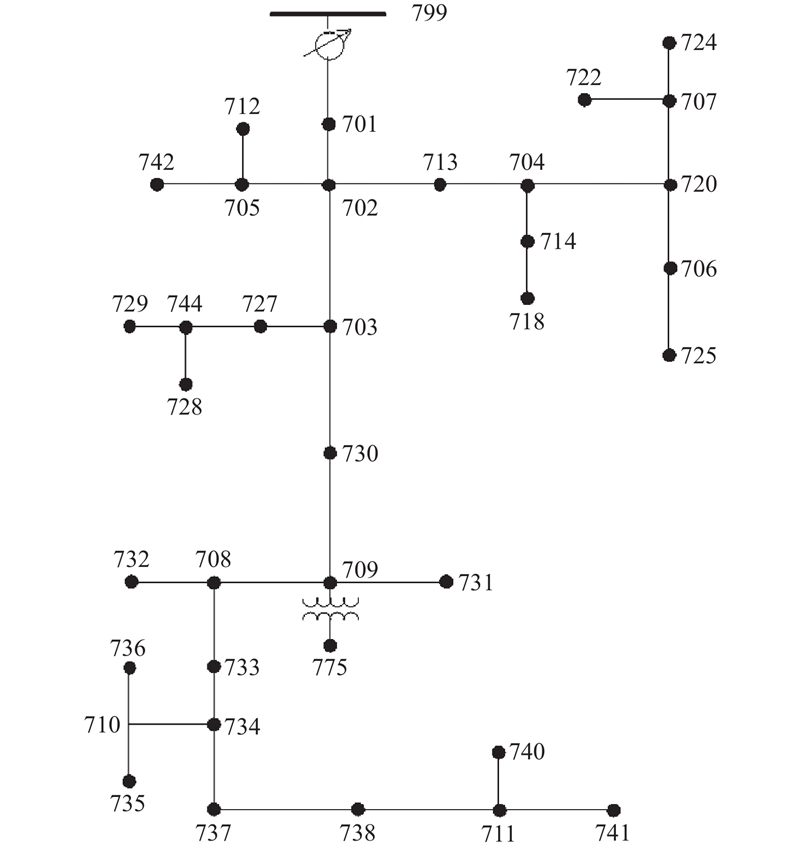
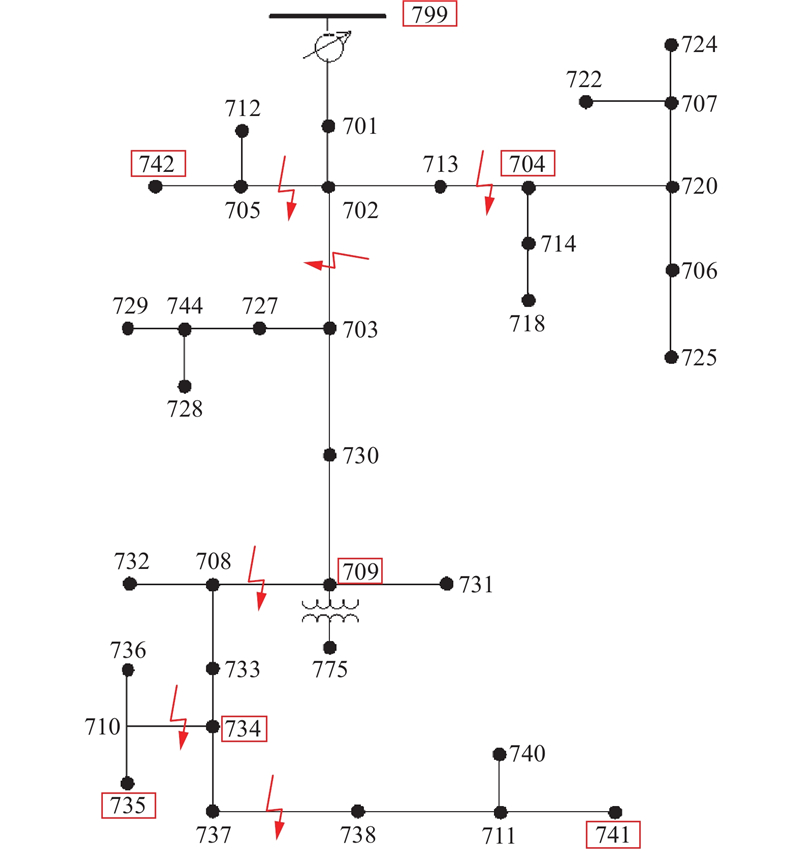
IEEE PES Power System Analysis, Computing and Economics Committee. IEEE 37 node test feeder [EB/OL]. (2017)[2024-05-03]. https://site.ieee.org/pes-testfeeders/resources.
|
| 25 |
王治然, 杨祺铭, 黄玉雄, 等. 考虑动态互联微电网与网络重构的弹性配电网多源序贯协同供电恢复方法[J]. 电力建设, 2025, 46 (9): 13- 26.
|
|
WANG Zhiran, YANG Qiming, HUANG Yuxiong, et al. Multi-source sequential coordinated power-supply recovery method for resilient distribution networks considering dynamic networked microgrids and network reconfiguration[J]. Electric Power Construction, 2025, 46 (9): 13- 26.
|
| 26 |
谢宇峥, 章德, 杨祺铭, 等. 基于移动储能和电动汽车V2G的弹性配电网经济性灾后恢复决策方法[J]. 电工电能新技术, 2024, 43 (7): 91- 101.
|
|
XIE Yuzheng, ZHANG De, YANG Qiming, et al. Economic post-disaster restoration method of resilient distribution network based on mobile energy storage and electric vehicle V2G coordination[J]. Advanced Technology of Electrical Engineering and Energy, 2024, 43 (7): 91- 101.
|